Buy lanpengeonline.eu ?
We are moving the project
lanpengeonline.eu .
Are you interested in purchasing the domain
lanpengeonline.eu ?
domain@kv-gmbh.de · 0541-91531010
Buy lanpengeonline.eu ?
What is the difference between osmosis with cell wall and osmosis without cell wall? Please explain simply.
Osmosis with a cell wall occurs in plant cells, where the cell wall provides structural support and prevents the cell from bursting when water enters through osmosis. In contrast, osmosis without a cell wall occurs in animal cells, which do not have a cell wall and rely on the cell membrane to maintain their shape and prevent bursting. In both cases, osmosis is the movement of water across a semi-permeable membrane from an area of lower solute concentration to an area of higher solute concentration. **
What is the significance of the cell wall?
The cell wall is a rigid structure that surrounds the cell membrane of plant cells, fungi, and some bacteria. It provides structural support and protection to the cell, helping maintain its shape and prevent it from bursting under osmotic pressure. The cell wall also allows for the exchange of materials between the cell and its environment. Additionally, the cell wall plays a crucial role in plant growth and development, as well as defense against pathogens. **


Similar search terms for Cell wall
Top-Angebote
Products related to Cell wall:
-
Harriman House The Psychology of Money, Atomic Habits & The Courage to Be Disliked – 3 Book Collection Set Bestselling Self-Development, Personal Finance, Self-HelUpgrade your mindset, habits, and financial thinking with this powerful 3-book collection set, featuring three of the most influential modern self-development titles. This essential bundle includes: The Psychology of Money by Morgan Housel – Discover how emotions and behaviour shape financial decisions and long-term wealth. Atomic Habits by James Clear – Learn how small habits can create powerful, lasting change. The Courage to Be Disliked by Ichiro Kishimi & Fumitake Koga** – Explore a transformative approach to happiness, freedom, and self-acceptance based on Adlerian psychology. Together, these books offer a complete guide to financial wisdom, personal growth, emotional resilience, and habit-building, making this set ideal for anyone looking to improve their life and mindset. Why Readers Love This Collection: Includes 3 bestselling modern self-development books Covers money, habits, mindset, and personal freedom Practical, easy-to-apply life lessons Perfect for beginners and experienced readers alike Ideal gift for motivation and self-improvement A must-have for anyone on a journey of personal growth, this collection delivers powerful insights for building a better, more successful life.22,99 £*Shipping: 2,99 £Secure redirect to the provider
-
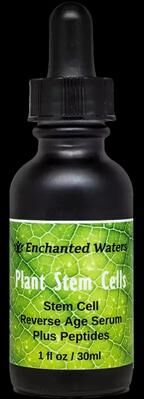
DynamicDeals Stem Cell Serum Anti Aging Real Stem Cell Cultures Matrixyl 3000 Hyaluronic Acid Stem Cell Serum Anti Aging Real Stem Cell Cultures Matrixyl 3000 Hyaluronic AcidFeatures:Enriched With REAL Plant Stem Cell CulturesFights Environmental Aggressors, Boosts CollagenRepairs Cell Damage & Enhances Skins Own DefensePeptide Rich with Matrixyl 3000Description:Weve taken these fantastic antiaging skincare geniuses and...40,97 $*Shipping: 0,00 $Secure redirect to the provider



-
Why don't animal cells have a cell wall?
Animal cells do not have a cell wall because they do not need the same level of structural support as plant cells. The primary function of the cell wall in plant cells is to provide rigidity and support for the plant's structure, as well as protection from external forces. Animal cells have a flexible cell membrane that allows for movement and shape changes, which is not possible with a rigid cell wall. Additionally, animal cells rely on other structures such as the cytoskeleton to maintain their shape and provide support. **
-
What are bacteria with a double cell wall called?
Bacteria with a double cell wall are called Gram-positive bacteria. These bacteria have a thick layer of peptidoglycan in their cell wall, which retains the crystal violet stain during the Gram staining process. This thick layer of peptidoglycan gives them their characteristic purple color when viewed under a microscope. Examples of Gram-positive bacteria include Staphylococcus and Streptococcus. **
-
Why do animal cells not need a cell wall?
Animal cells do not need a cell wall because they have a flexible cell membrane that provides support and structure to the cell. The cell membrane allows for movement and flexibility, which is important for the various functions of animal cells such as cell division and movement. Additionally, animal cells rely on other structures such as the cytoskeleton to maintain their shape and provide support, making a cell wall unnecessary for their survival. **
-
Which organelle in an animal cell is equivalent to the cell wall in plant cells?
The organelle in an animal cell that is equivalent to the cell wall in plant cells is the extracellular matrix (ECM). The ECM is a network of proteins and carbohydrates that provides structural support and helps regulate cell behavior. It surrounds animal cells and provides mechanical support, as well as facilitating cell-cell communication and adhesion. While the ECM and the cell wall serve similar functions in providing support and structure, they are composed of different materials and have different structures. **

How can animal cells be stable without a cell wall?
Animal cells can be stable without a cell wall because they have a flexible and dynamic cytoskeleton made up of proteins like actin and microtubules, which provide structural support and help maintain cell shape. Additionally, animal cells have an extracellular matrix that provides structural support and helps anchor cells in tissues. The plasma membrane of animal cells also contains specialized proteins and lipids that help maintain cell stability and regulate the movement of molecules in and out of the cell. Overall, the combination of the cytoskeleton, extracellular matrix, and plasma membrane allows animal cells to maintain stability and structural integrity without a cell wall. **
Is Tüpfel another name for the pores of the cell wall?
No, Tüpfel is not another name for the pores of the cell wall. Tüpfel are small, thin areas in the cell wall that allow for communication between adjacent plant cells. They are not the same as pores, which are openings in the cell wall that allow for the passage of materials in and out of the cell. Tüpfel play a role in the movement of water and nutrients between plant cells. **
Top-Angebote
Products related to Cell wall:
-
Simon & Schuster Money: A Story of Humanity by David McWilliams Economic History & Global Finance ExplainedIn Money: A Story of Humanity, renowned economist David McWilliams explores the fascinating history of money — not just as currency, but as a powerful force that has shaped human civilisation, relationships, technology, and global society. From ancient barter systems to cryptocurrency revolutions, McWilliams reveals how money reflects our values, ambitions, fears, politics, and culture.Rich with storytelling, sharp insights, and humour, this book makes complex economic ideas accessible, engaging, and deeply human. Perfect for readers who enjoy exploring how history, psychology, markets, and power intersect, Money: A Story of Humanity provides a fresh, eye-opening look at how money drives — and is driven by — human behaviour. Ideal for fans of Yuval Noah Harari, Tim Harford, Niall Ferguson, and Mary Beard.7,99 £*Shipping: 2,99 £Secure redirect to the provider
-
Perfect Picks Market Toy Cash Register For Kids, Checkout Scanner, Play Money Food Set, , Credit Card Machine, Fruit Card Reader Toy Cash Register For Kids, Checkout Scanner, Play Money Food Set, , Credit Card Machine, Fruit Card ReaderEngage Your Child with Playful Learning The 33PCS Toy Cash Register for Kids with Checkout Scanner is a perfect way to help children develop essential skills while having fun! Designed for little ones, this interactive toy includes a realistic...59,97 $*Shipping: 0,00 $Secure redirect to the provider
-
Harriman House The Psychology of Money, Atomic Habits & The Courage to Be Disliked – 3 Book Collection Set Bestselling Self-Development, Personal Finance, Self-HelUpgrade your mindset, habits, and financial thinking with this powerful 3-book collection set, featuring three of the most influential modern self-development titles. This essential bundle includes: The Psychology of Money by Morgan Housel – Discover how emotions and behaviour shape financial decisions and long-term wealth. Atomic Habits by James Clear – Learn how small habits can create powerful, lasting change. The Courage to Be Disliked by Ichiro Kishimi & Fumitake Koga** – Explore a transformative approach to happiness, freedom, and self-acceptance based on Adlerian psychology. Together, these books offer a complete guide to financial wisdom, personal growth, emotional resilience, and habit-building, making this set ideal for anyone looking to improve their life and mindset. Why Readers Love This Collection: Includes 3 bestselling modern self-development books Covers money, habits, mindset, and personal freedom Practical, easy-to-apply life lessons Perfect for beginners and experienced readers alike Ideal gift for motivation and self-improvement A must-have for anyone on a journey of personal growth, this collection delivers powerful insights for building a better, more successful life.22,99 £*Shipping: 2,99 £Secure redirect to the provider
-
DynamicDeals Stem Cell Serum Anti Aging Real Stem Cell Cultures Matrixyl 3000 Hyaluronic Acid Stem Cell Serum Anti Aging Real Stem Cell Cultures Matrixyl 3000 Hyaluronic AcidFeatures:Enriched With REAL Plant Stem Cell CulturesFights Environmental Aggressors, Boosts CollagenRepairs Cell Damage & Enhances Skins Own DefensePeptide Rich with Matrixyl 3000Description:Weve taken these fantastic antiaging skincare geniuses and...40,97 $*Shipping: 0,00 $Secure redirect to the provider
-
What is the difference between osmosis with cell wall and osmosis without cell wall? Please explain simply.
Osmosis with a cell wall occurs in plant cells, where the cell wall provides structural support and prevents the cell from bursting when water enters through osmosis. In contrast, osmosis without a cell wall occurs in animal cells, which do not have a cell wall and rely on the cell membrane to maintain their shape and prevent bursting. In both cases, osmosis is the movement of water across a semi-permeable membrane from an area of lower solute concentration to an area of higher solute concentration. **
-
What is the significance of the cell wall?
The cell wall is a rigid structure that surrounds the cell membrane of plant cells, fungi, and some bacteria. It provides structural support and protection to the cell, helping maintain its shape and prevent it from bursting under osmotic pressure. The cell wall also allows for the exchange of materials between the cell and its environment. Additionally, the cell wall plays a crucial role in plant growth and development, as well as defense against pathogens. **
-
Why don't animal cells have a cell wall?
Animal cells do not have a cell wall because they do not need the same level of structural support as plant cells. The primary function of the cell wall in plant cells is to provide rigidity and support for the plant's structure, as well as protection from external forces. Animal cells have a flexible cell membrane that allows for movement and shape changes, which is not possible with a rigid cell wall. Additionally, animal cells rely on other structures such as the cytoskeleton to maintain their shape and provide support. **
-
What are bacteria with a double cell wall called?
Bacteria with a double cell wall are called Gram-positive bacteria. These bacteria have a thick layer of peptidoglycan in their cell wall, which retains the crystal violet stain during the Gram staining process. This thick layer of peptidoglycan gives them their characteristic purple color when viewed under a microscope. Examples of Gram-positive bacteria include Staphylococcus and Streptococcus. **
Similar search terms for Cell wall
-
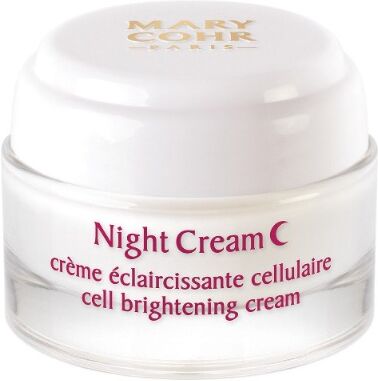
Mary Cohr Cell Brightening Cream 50mlThe Mary Cohr Cell Brightening Cream gives a soft, matt finish, combines two cellular actions on pigmentation: it visibly unifies the complexion and it lessens the appearance of pigmentation spots. Key benefits include: Brightens and evens the complexion Dark spots are reduced Vitamin C visibly brightens the complexion and refines the skin’s texture Melanoxyl reduces-UV-induced melanin production Suitable for Pigmented Skin Types. Ingredients water (aqua), glycerin, butylene glycol, cetearyl isononanoate, arachidyl alcohol, caprylic/capric/succinic triglyceride, dimeticone, hydrogenated polyisobutene, pentylene glycol, behenyl alcohol, sodium ascorbyl phosphate, cetyl alcohol, cyclopentasiloxane, ethylhexylglycerin, arachidyl glucoside, cyclohexasiloxane, hydroxyethyl acrylate/sodium acyloyldimethyl taurate copolymer, fragrance (parfum), acrylates/c 10-30 alkyl acrylate crosspolymer, xanthan gum, triethanolamine, bht, disodium edta, glyceryl acrylate/acrlyic acid copolymer, propylene glycol, brassica napus extract, polysorbate 60, sorbitan isostearae, linalool, geraniol, citronellol, ascorbyl palmitate, alpha-isomethyl ionone, citric acid, glyceryl oleate, glyceryl stearate.48,40 £*Shipping: 0,00 £Secure redirect to the provider
-
Why do animal cells not need a cell wall?
Animal cells do not need a cell wall because they have a flexible cell membrane that provides support and structure to the cell. The cell membrane allows for movement and flexibility, which is important for the various functions of animal cells such as cell division and movement. Additionally, animal cells rely on other structures such as the cytoskeleton to maintain their shape and provide support, making a cell wall unnecessary for their survival. **
-
Which organelle in an animal cell is equivalent to the cell wall in plant cells?
The organelle in an animal cell that is equivalent to the cell wall in plant cells is the extracellular matrix (ECM). The ECM is a network of proteins and carbohydrates that provides structural support and helps regulate cell behavior. It surrounds animal cells and provides mechanical support, as well as facilitating cell-cell communication and adhesion. While the ECM and the cell wall serve similar functions in providing support and structure, they are composed of different materials and have different structures. **
-
How can animal cells be stable without a cell wall?
Animal cells can be stable without a cell wall because they have a flexible and dynamic cytoskeleton made up of proteins like actin and microtubules, which provide structural support and help maintain cell shape. Additionally, animal cells have an extracellular matrix that provides structural support and helps anchor cells in tissues. The plasma membrane of animal cells also contains specialized proteins and lipids that help maintain cell stability and regulate the movement of molecules in and out of the cell. Overall, the combination of the cytoskeleton, extracellular matrix, and plasma membrane allows animal cells to maintain stability and structural integrity without a cell wall. **
-
Is Tüpfel another name for the pores of the cell wall?
No, Tüpfel is not another name for the pores of the cell wall. Tüpfel are small, thin areas in the cell wall that allow for communication between adjacent plant cells. They are not the same as pores, which are openings in the cell wall that allow for the passage of materials in and out of the cell. Tüpfel play a role in the movement of water and nutrients between plant cells. **
* All prices are inclusive of VAT and, if applicable, plus shipping costs. The offer information is based on the details provided by the respective shop and is updated through automated processes. Real-time updates do not occur, so deviations can occur in individual cases. ** Note: Parts of this content were created by AI.